When it comes to remembering a loved one, the terms headstone, tombstone, and gravestone are often used interchangeably. Yet, each has its own traditional meaning, historical roots, and modern-day nuance.
If you’ve ever wondered, "what is a headstone vs a tombstone vs a gravestone?", you’re not alone. Many people and families are unsure. In this article, we’ll explore the exact differences between gravestone, headstone, and tombstone, compare them side by side, introduce different types of grave markers, and even talk about the price of a tombstone, price of a headstone, and the cost of grave markers in the UK.
Gravestone, Headstone, Tombstone: What’s the Difference?
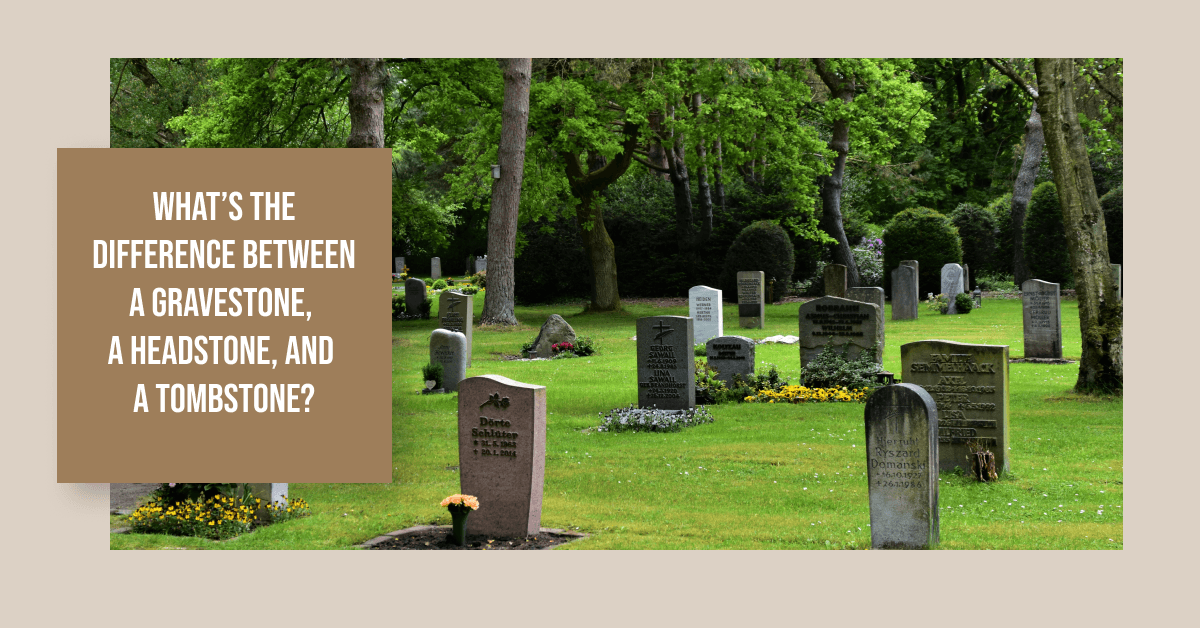
At first glance, these terms might seem like simple synonyms. But traditionally, they referred to distinct types of burial markers: the gravestone was the flat slab over a grave; the headstone stood at the head of the burial; and the tombstone was used for a stone lid on a tomb. Over time, usage has blurred; today in the UK, many people and even memorial masons use them interchangeably. Still, understanding their original meanings can give more clarity when choosing or ordering a memorial.
What Is a Headstone?
In modern terms, a headstone is usually a vertical stone placed at the head of a grave. It’s perhaps the most common type of memorial seen in cemeteries today.
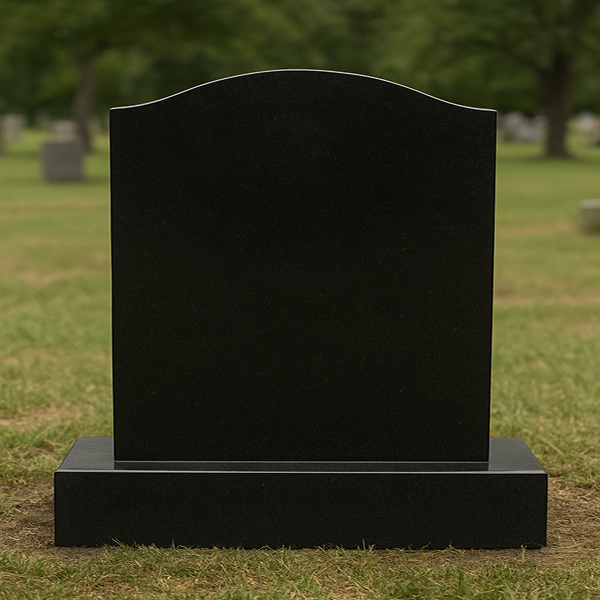
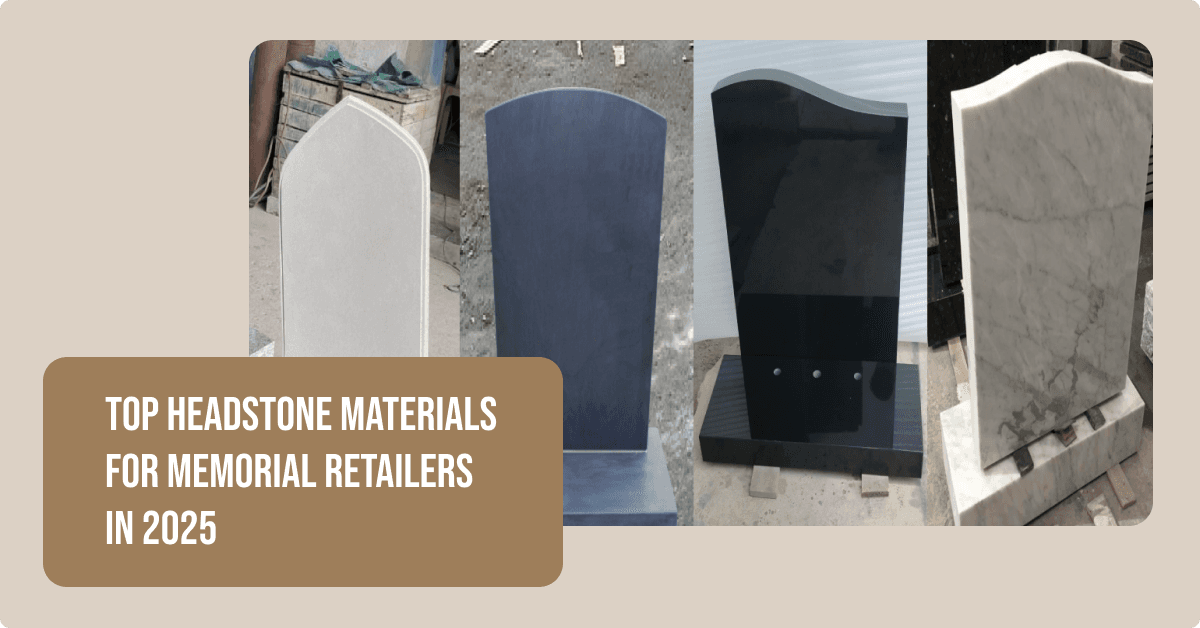
Most headstone graves are made from durable materials like granite, marble, or sandstone. Granite is particularly popular, thanks to its strength and range of colours. Headstones come in several shapes, from simple upright tablets to more elaborate carved designs.
The term “headstone” is widely accepted and used by both families and professional stonemasons in the UK. When you talk to a memorial mason, asking for a “headstone” will generally convey exactly what you mean.
What Is a Tombstone?
Historically, a tombstone was quite different from what many imagine today. Originally, it described a stone lid covering a stone coffin or tomb.In ancient or old European burials, a “tomb” was an enclosed chamber or above-ground structure, and the “tombstone” was the stone lid on top of that tomb.
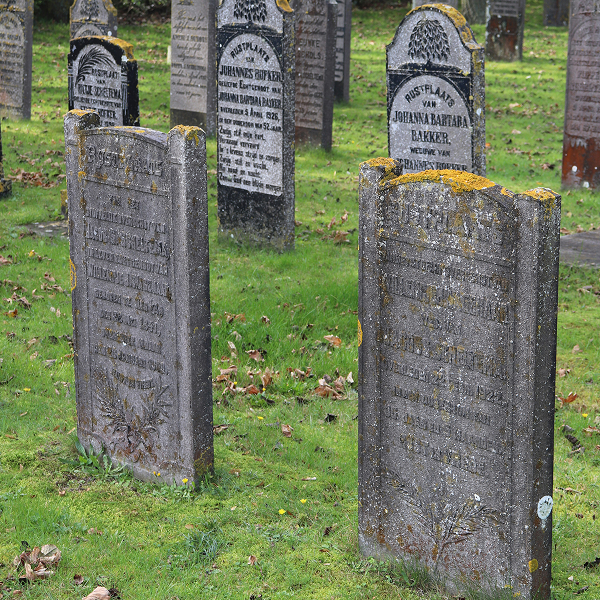
Over centuries, as burial practices changed, the term “tombstone” came to be used more loosely. People began to use it for upright memorials, especially when referring to any headmark at a grave. Today, “tombstone” is often used interchangeably with “headstone.”
Interestingly, the word has found its way into popular culture and even decoration you might have seen Halloween tombstone decorations shaped like upright monuments in lawn displays, clearly borrowing from that traditional look.
What Is a Gravestone?
Traditionally, a gravestone refers to a flat stone slab laid directly over the top of a grave.
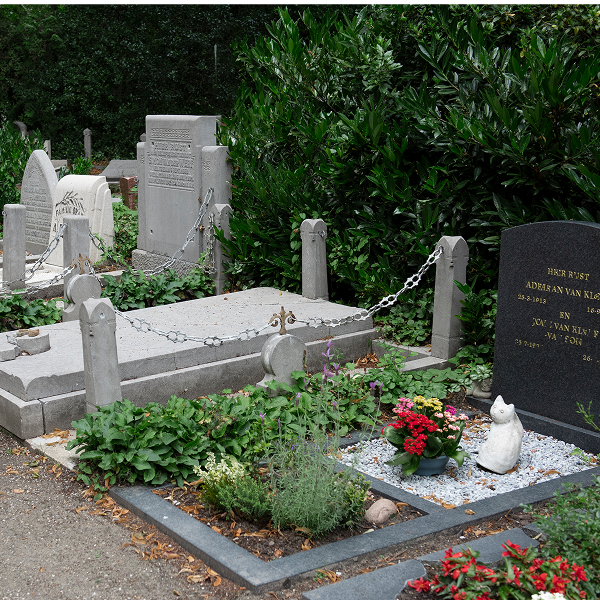
Unlike a headstone, which is placed at the head, a gravestone covers the grave itself. Many historic or churchyard graves feature flat gravestones, often carved into the ground rather than standing upright.
Today, the term “gravestone” is also used broadly and sometimes interchangeably with “headstone,” though technically it refers to the slab over the plot.
Headstone vs Tombstone, What’s the Real Difference?
| Headstone | Vertical marker at the head of a grave | Very common; used to mean a memorial stone in a cemetery |
| Tombstone | Stone lid on a tomb or coffin | Often used interchangeably with headstone |
| Gravestone | Flat slab covering the grave | Sometimes used to mean any grave marker |
- Placement: Headstones stand upright, tombstones originally covered a tomb, and gravestones lay flat.
- Usage: Today, headstone is the most precise and commonly used term in the UK memorial industry. Tombstone and gravestone are often used in everyday conversation, though they may carry slightly different connotations.
- Industry preference: Many memorial masons prefer “headstone” because it more accurately describes the upright memorial most people actually order.
Headstone vs Gravestone: Which Term Is Correct Today?
When you ask, "headstone vs gravestone”, which one is correct?". The answer depends on usage.
- Technically, a gravestone is flat and covers a grave, while a headstone is upright and placed at the head.
- In practice, most modern UK companies use headstone because it fits the upright design everyone expects.
- For clarity and simplicity, using “headstone” when talking to a memorial mason is often best, but gravestone remains widely understood.
Tombstone and Gravestone: Are They the Same Thing?
You may wonder, “Tombstone and gravestone, are they the same?” The short answer: not originally, but functionally, yes — in many modern contexts.
- Historically, a tombstone referred to stone lids on tombs, and a gravestone to flat grave markers.
- Nowadays, people use both terms to mean a memorial stone on a grave, regardless of shape.
- In the UK funeral/memorial industry, professionals may lean more toward headstone or memorial, but tombstone and gravestone remain in common use among families and in colloquial speech.
What Are Grave Markers?
A grave marker is the umbrella term for any permanent memorial placed on a burial plot. This includes headstones, gravestones, tombstones, essentially, any structure that marks the location and memorialises the person buried there.
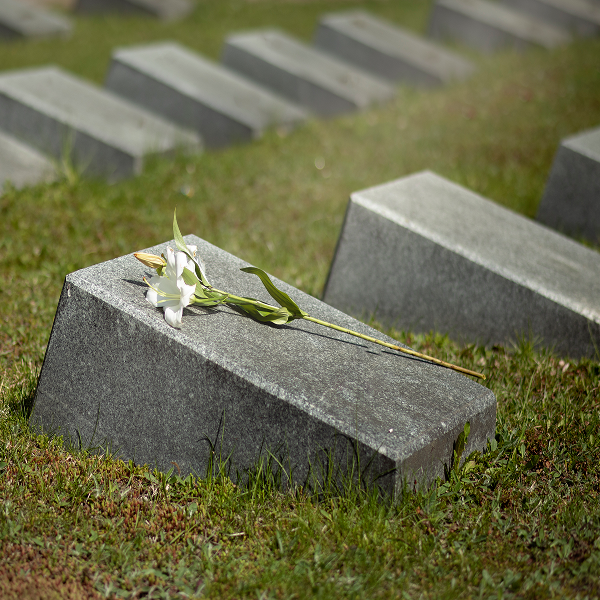
Using “grave marker” is useful when discussing design more broadly, especially if you offer multiple types of memorials, because it avoids confusion about shape or material.
Types of Grave Markers
There are many kinds of grave markers, here are some of the most common:
Upright Headstones / Upright Tombstones
- The classic, traditional vertical memorial.
- Often made of polished granite or marble.
- Usually the first image that comes to mind when people think of “a grave stone.”
Flat or Lawn-Level Grave Markers
- Lie flush with the ground; simple and low-profile.
- Ideal for lawns or memorial gardens.
- More cost-effective than large upright stones.
Slant Memorial Grave Markers
- Slanted slightly toward the viewer for readability.
- A popular compromise between flat markers and upright headstones.
- Good for tighter budgets, but still visible and dignified.
Kerbed Memorials
- Surround the grave plot with a border (“kerb”) of stone.
- Provide a well-defined, framed memorial area.
- Often used in traditional cemeteries or family plots.
Cremation Plaques & Tablets
- Smaller, compact memorials.
- Can be installed within cremation plots or narrow graves.
- Materials often include granite, bronze, or stone tablets.
Bespoke / Custom Memorials
- Shapes (heart, book, cross, etc.) tailored to individual requests.
- Custom carvings, etchings, portraits, and inscriptions.
- Ideal for personalising a tribute.
Pricing of Headstone and Tombstone in the UK
One of the most frequently asked questions is: “What’s the price of a tombstone or headstone?” Below is a breakdown of typical costs and factors that influence price.
Typical Price Ranges in the UK
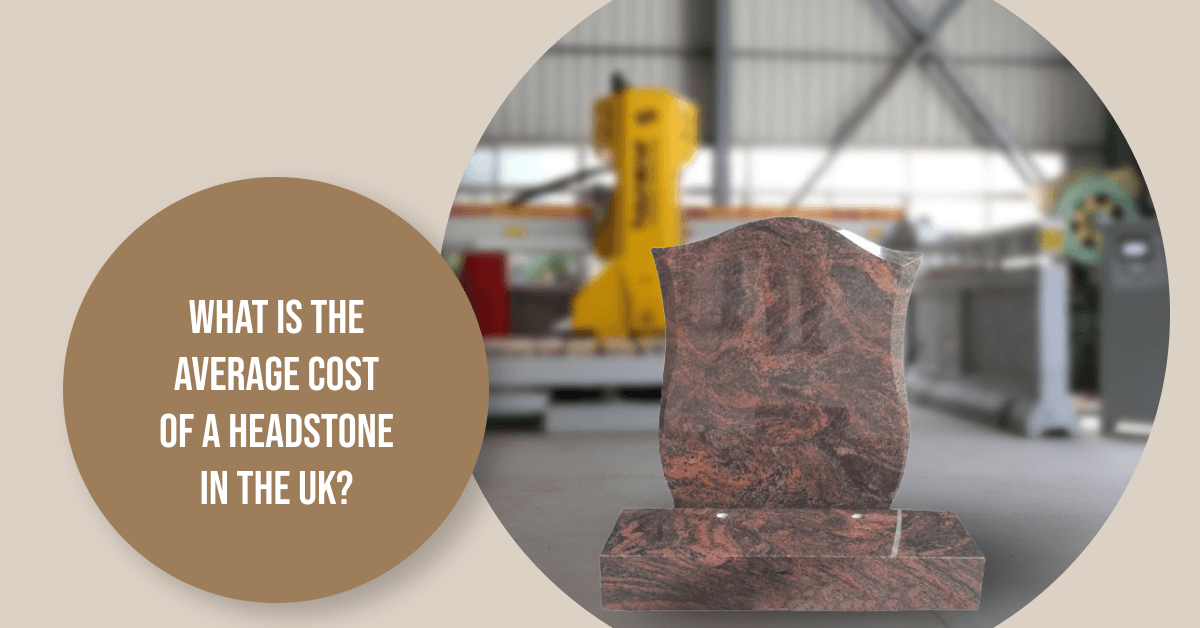
The average cost of a headstone in the UK ranges from £800 to £2,500, depending on material, size, finish, and design.
For more bespoke or elaborate memorials, prices can go higher — for example, Memorials of Distinction lists headstones from roughly £865 up to £4,000+, depending on custom design and extras.
According to Artisan Memorials, their guide records cremation headstones and gravestones starting around £2,000, while their standard headstones begin at about £3,000.
Why the Cost Varies
Several factors influence how much a memorial grave marker costs:
1. Material:
Granite is durable and cost-effective; often used for regular headstones.
Marble or softer stones can cost more depending on source and finish.
2. Size & Shape:
Flat lawn markers are cheaper (e.g., £500–£1,200 range per Stone Discover’s analysis).
Upright headstones often cost more because of size, material, and installation.
Custom shapes (heart, book, etc.) add to the cost.
3. Finish & Design:
Polished vs. honed finish
Lettering or etching / inscriptions
Decorative artwork, emblems, or photographs
4. Engraving / Lettering:
Many memorials include a set number of letters as part of the base price.
Extra letters or elaborate carvings cost more. (e.g., in some companies, each additional letter can cost ~£1.75 or more)
5. Installation & Cemetery Fees:
Permits or cemetery charges vary by council.
Installation by a stonemason is a separate cost: for example, RFrench Stonemasonry lists upright installation at £540.
6. Extras:
Flower vases, photo plaques, or special inscriptions
Custom finishes or additional design elements
Conclusion
In short, what is a headstone, what is a tombstone, and what is a gravestone, though often used interchangeably, each carries its own traditional meaning. A headstone is typically an upright stone at the head of a grave; a tombstone used to be the lid of a tomb; and a gravestone was once the flat slab over the burial.
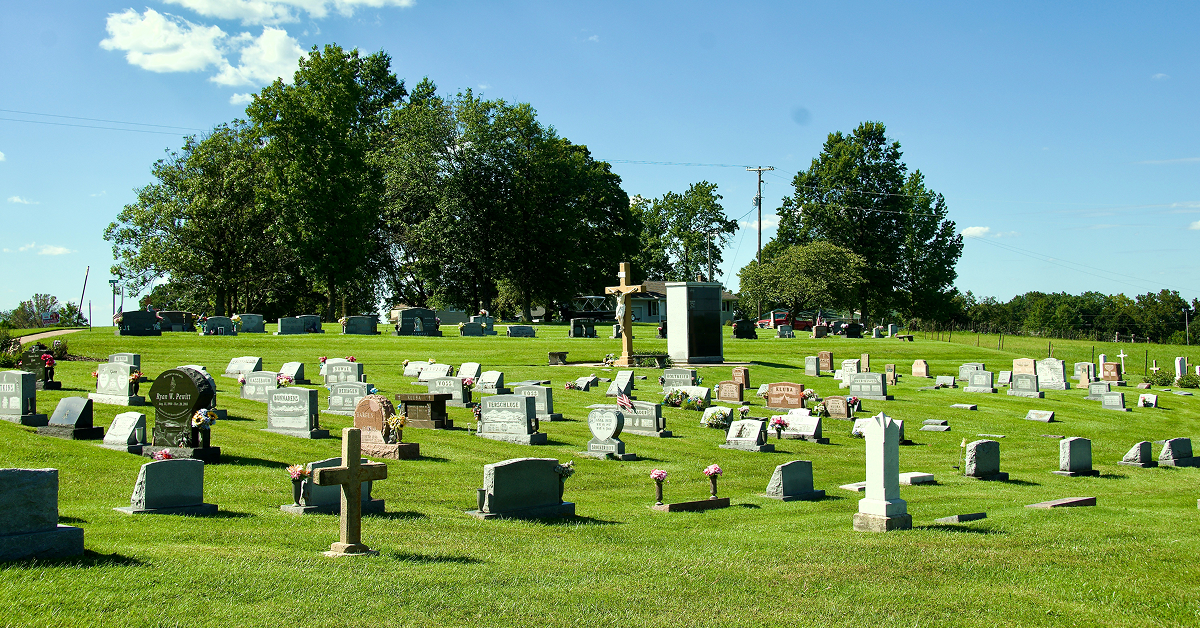
Today, the most accurate and commonly used term for modern memorials is headstone, but many people also refer to them as tombstones or gravestones without much confusion. All three fall under the broader category of grave markers.
When choosing a grave marker, understanding the types of grave markers, whether upright headstones, flat markers, slant stones, kerbs surround, or bespoke designs, helps you make the right decision. And of course, cost matters: the cost of grave markers varies considerably based on material, size, finish, and installation.
If you’re exploring memorials, consider your budget, the style that best honours your loved one, and the council or cemetery rules. For an accurate, personalised quote, reach out to a trusted provider, or check out our catalogue at Stone Discover UK to explore options and trade pricing.